
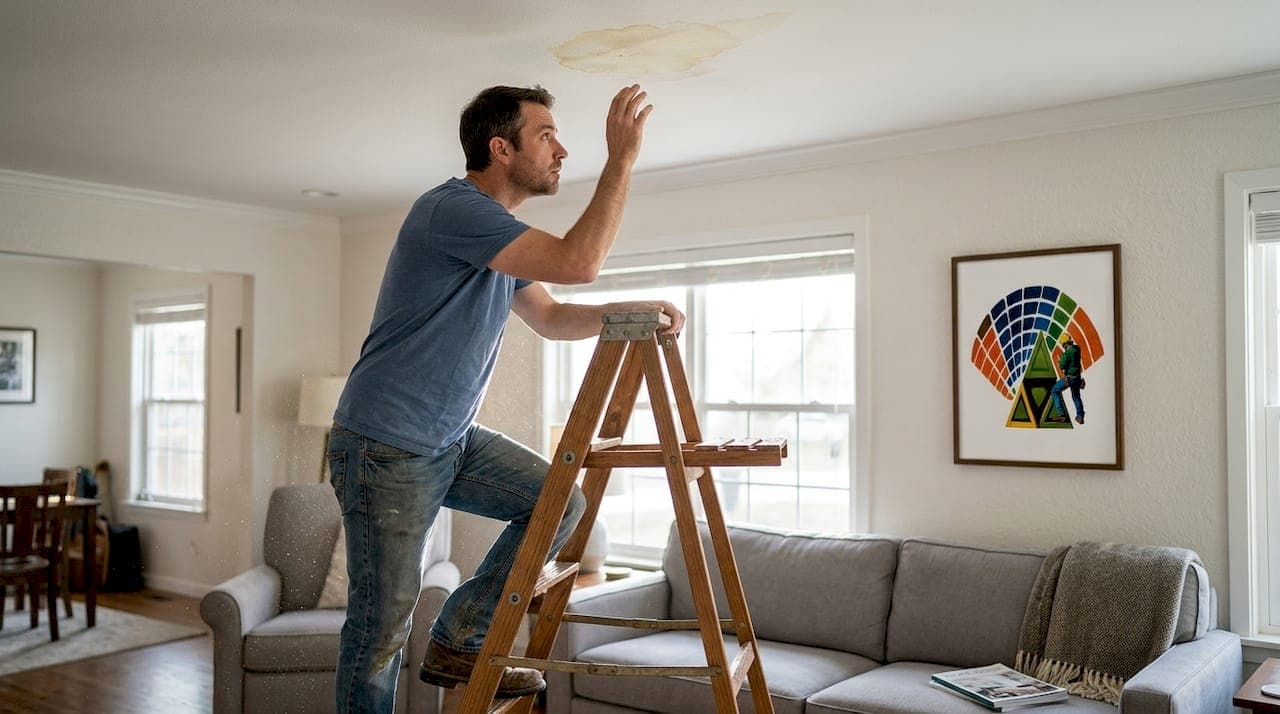
Homeowners in the Dallas–Fort Worth area often encounter ceiling damage from AC work, water leaks, or structural settling, yet many struggle to identify the specific type or severity of the problem. Recognizing these issues early prevents minor cracks or stains from escalating into costly structural repairs or mold remediation. This guide walks you through common ceiling damage examples, practical evaluation steps, and repair options tailored to local conditions. You'll learn when a simple patch works and when professional services become essential, empowering you to protect your home and budget effectively.
Table of Contents
- Key Takeaways
- Common examples of ceiling damage
- How to evaluate the severity of ceiling damage
- Comparison of common repair methods for ceiling damage
- When to hire a professional ceiling repair service
- Reliable ceiling repair and painting services in Dallas–Fort Worth
- Frequently asked questions
Key Takeaways
| Point | Details |
|---|---|
| Identify damage type | Recognize water stains, cracks, sagging, or peeling to choose the right repair approach. |
| Severity guides repairs | Measure the affected area, check for active moisture, and monitor changes over several days to decide between DIY fixes and professional repair. |
| Moisture signals require pro | Active moisture such as damp patches indicates ongoing water intrusion and warrants professional restoration before cosmetic repairs. |
| Safety risks demand urgent evaluation | Sagging greater than half an inch or widening cracks signal structural danger and require immediate professional assessment. |
Common examples of ceiling damage
Understanding the specific type of ceiling damage you face helps you choose the right repair approach and avoid wasting time or money on ineffective fixes. Each damage type leaves distinct visual clues and stems from different underlying causes.
Water stains and discoloration appear as yellowish or brownish patches, often with irregular edges. Leaks from plumbing, roof issues, or AC condensation lines typically cause these marks. Water stains and discoloration are common signs of leaks and ceiling damage, and ignoring them can lead to mold growth or structural weakening. Fresh stains feel damp to the touch, while older ones may look dry but indicate past moisture intrusion.
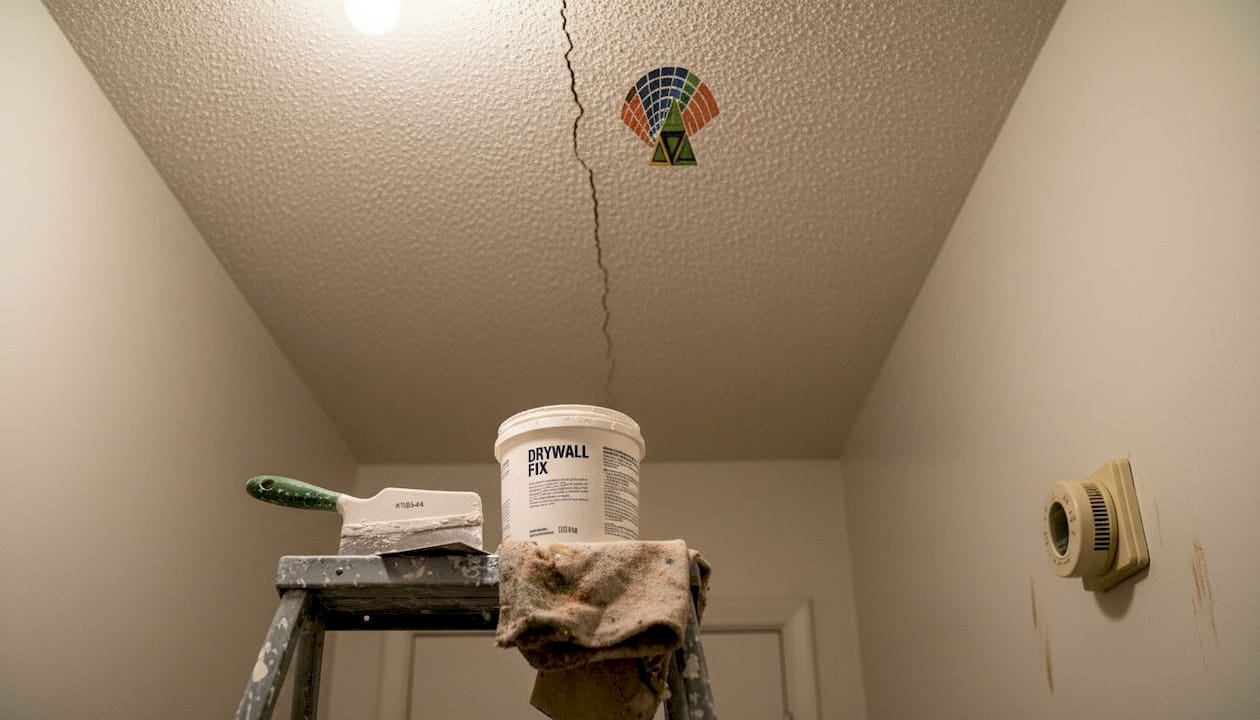
Hairline and structural cracks range from thin, barely visible lines to wide fissures. Hairline cracks often result from normal settling or minor temperature fluctuations and pose minimal risk. Structural cracks, however, run across joists or appear in spiderweb patterns, signaling foundation movement or serious stress. These wider gaps may widen over time and require immediate professional assessment.
Sagging or bulging sections create visible dips or bumps in the ceiling plane. Water accumulation above drywall causes sagging, while bulging can indicate trapped moisture or detached drywall panels. Both conditions present collapse risks and demand urgent attention. You might notice these issues near bathrooms, kitchens, or HVAC installations where moisture exposure is higher.
Paint peeling or bubbling reveals moisture problems, poor ventilation, or inadequate surface preparation during past paint jobs. Bubbles form when water vapor pushes paint away from the substrate. Peeling often accompanies ceiling water damage in Dallas TX and suggests the need to address the moisture source before repainting.
How to evaluate the severity of ceiling damage
Once you identify the damage type, assessing its severity guides your next steps. A systematic evaluation prevents underestimating serious issues or overreacting to minor cosmetic flaws.
-
Measure the affected area. Use a tape measure to record the length and width of stains, cracks, or sagging zones. Damage spanning more than 12 inches in any direction typically exceeds DIY repair capabilities and suggests deeper structural involvement.
-
Check for active moisture. Press a dry hand against stained areas. If the surface feels cool or damp, moisture is still present. A moisture meter provides precise readings and helps locate hidden leaks. Active moisture indicates an ongoing problem that must be resolved before cosmetic repairs.
-
Monitor spread over time. Take photos and note the date. Revisit the area in three to seven days. Rapidly expanding stains or cracks signal active leaks or structural movement requiring immediate professional intervention.
-
Assess safety risks. Look for sagging deeper than half an inch, which suggests water weight or compromised framing. Signs like extensive sagging or spreading discoloration suggest urgent professional repair. Stand clear of heavily sagging sections to avoid injury from potential collapse.
-
Document everything. Write down observations, measurements, and any recent events like heavy rain or AC maintenance. This record helps contractors diagnose root causes quickly and provides a timeline if insurance claims become necessary.
Pro Tip: Use a flashlight at a low angle across the ceiling surface. Shadows reveal subtle sagging or texture changes invisible under direct overhead lighting, helping you catch problems early.
Comparison of common repair methods for ceiling damage
Choosing the right repair method depends on damage type, budget, and your comfort level with home improvement tasks. This table breaks down popular options with practical pros, cons, and cost ranges.
| Repair Method | Best For | Pros | Cons | Typical Cost |
|---|---|---|---|---|
| DIY patch kits | Small cracks under 6 inches, minor holes | Low cost, quick application, no contractor wait | Limited durability, poor texture match, unsuitable for water damage | $10–$30 per kit |
| Professional drywall repair | Cracks, holes from AC work, moderate water damage | Durable finish, seamless texture matching, warranty coverage | Higher upfront cost than DIY, requires scheduling | $150–$400 per repair |
| Full ceiling replacement | Extensive structural damage, widespread water intrusion, severe sagging | Addresses underlying issues, long-term solution, opportunity to upgrade materials | Highest cost, longer project timeline, professional-only | $1,200–$3,500+ |
| Painting and texturing | Post-repair finishing, cosmetic refresh | Restores appearance, protects repaired areas, improves home value | Requires prior damage repair, professional application recommended for best results | $200–$600 per room |
DIY patch kits work well for superficial issues. DIY patch kits suit small, superficial cracks but may not last on larger damage. They contain compound, mesh tape, and basic instructions. Apply them to hairline cracks or nail pops, but avoid using them on water-damaged areas where hidden mold or structural weakness may exist.
Professional drywall repair delivers superior results for most homeowner needs. Professional drywall repair offers durable, aesthetic fixes for cracks and holes. Contractors cut out damaged sections, install fresh drywall, apply joint compound in multiple coats, sand smooth, and match existing textures. This method handles ceiling hole repair Dallas projects from AC installations or fixture removals with precision.
Full ceiling replacement becomes necessary when damage affects more than 30% of the ceiling area or when framing repairs are required. Contractors remove all drywall, inspect and repair joists or trusses, install new panels, and finish surfaces. This option suits severe water intrusion cases or homes with outdated popcorn texture needing modernization.
Painting and texturing complete any repair by blending new work with existing surfaces. Professional painters prime repaired areas, apply matching texture, and paint entire ceilings for uniform color. This step protects drywall from future moisture and enhances visual appeal.
Pro Tip: Always address the root cause before repairing cosmetic damage. Patching a water stain without fixing the leak guarantees the problem will return, wasting your repair investment.
When to hire a professional ceiling repair service
Certain damage scenarios demand professional expertise to ensure safety, code compliance, and lasting repairs. Attempting complex fixes yourself can worsen problems or create health hazards.
Large or spreading water stains indicate active leaks requiring plumbing or roofing expertise beyond typical drywall work. Professionals trace leak sources, perform necessary waterproofing, and execute water damage drywall repair in Dallas with proper drying protocols. Extensive water damage or mold requires professional remediation to ensure safety and quality. Delaying professional help allows mold spores to colonize hidden cavities, creating respiratory risks and expensive remediation costs.
Sagging ceilings present immediate collapse danger. Water weight, insulation saturation, or detached drywall panels cause these conditions. Professionals assess structural integrity, remove compromised materials safely, and reinforce framing before installing new drywall. Never attempt repairs on sagging sections without expert evaluation.
Mold presence requires specialized remediation services. Black, green, or fuzzy growth around water stains signals established colonies. Professionals use containment barriers, HEPA filtration, and antimicrobial treatments to eliminate mold safely. DIY mold removal often spreads spores throughout your home, worsening contamination.
Structural cracks or holes beyond small sizes exceed DIY repair capabilities. Cracks wider than a quarter inch or holes larger than a fist suggest framing issues or impact damage. Contractors verify that studs and joists remain sound, sister damaged framing members if needed, and restore ceilings to code standards. Professional ceiling painting service completes the job with flawless finishing.
Warranty and quality assurance provide peace of mind. Reputable contractors guarantee their work for one to five years, covering material defects and workmanship errors. They carry liability insurance protecting you from accidents during repairs. Ceiling hole repair Dallas professionals also handle permits and inspections when structural work is involved, ensuring compliance with local building codes.
"Hiring professionals for ceiling damage saves homeowners from recurring repairs and potential safety hazards, delivering durable solutions that DIY methods simply cannot match."
Reliable ceiling repair and painting services in Dallas–Fort Worth
When ceiling damage disrupts your home, connecting with experienced local contractors simplifies the repair process and ensures quality results. Professional teams in the Dallas–Fort Worth area specialize in diagnosing damage sources, executing thorough repairs, and restoring ceilings to pristine condition.

Whether you're dealing with water stains, cracks from settling, or holes from recent AC work, expert drywall patch and repair in Dallas services handle projects of any size. After structural repairs, interior painting Dallas professionals apply fresh coats that blend seamlessly with existing finishes, protecting your investment and enhancing your home's appearance. Getting started is straightforward. Request a drywall repair quote online or by phone, schedule a convenient inspection, and receive a detailed estimate outlining the scope, timeline, and costs. Local contractors understand regional climate challenges and building practices, delivering solutions tailored to Dallas–Fort Worth homes.
Frequently asked questions
What causes ceiling water damage?
Leaks from plumbing pipes, roof penetrations, or AC condensation lines are the most common culprits behind ceiling water damage. HVAC systems in attics often develop drain pan overflows or clogged lines, dripping water onto drywall below. Roof damage from storms or worn flashing allows rainwater to seep through insulation and stain ceilings. Look for yellowish stains, sagging sections, or musty odors as telltale signs requiring immediate investigation.
Can small ceiling cracks be repaired DIY?
Small, superficial hairline cracks measuring less than an eighth of an inch wide can typically be patched using DIY kits containing joint compound and mesh tape. Clean the crack, apply tape, spread compound in thin layers, sand smooth after drying, and prime before painting. Larger cracks, those wider than a quarter inch, or cracks that reappear after patching indicate structural movement or settling that professionals must address to prevent recurring damage.
How long does it take to repair ceiling damage?
Simple repairs like patching small cracks or filling nail holes usually take a few hours, with drying time extending the project to one day. Moderate repairs involving water damage or holes from AC work require one to two days for drywall replacement, compound application, sanding, and priming. Extensive damage needing structural reinforcement or full ceiling replacement can take three to five days, depending on room size and complexity. Professional contractors provide accurate timelines after inspecting your specific damage.
Is it necessary to repaint after ceiling repair?
Repainting after ceiling repair is essential for both aesthetics and protection. Fresh drywall and joint compound appear as bright white patches that contrast sharply with aged ceiling paint, creating an unfinished look. Interior painting Dallas services apply primer to seal repaired areas, preventing moisture absorption and ensuring uniform paint adhesion. Professional painters then coat entire ceilings, blending repairs invisibly and providing a durable finish that resists future staining and wear. Skipping this step leaves repairs vulnerable to moisture and diminishes your home's visual appeal.